Note on controversy
Authorship of the Rosicrucian manifestos and even of the Chemical Wedding is still debated; Andreae later called the Rose Cross a ludibrium (a playful fiction). Treat popular claims of an unbroken occult fraternity with caution.
Life
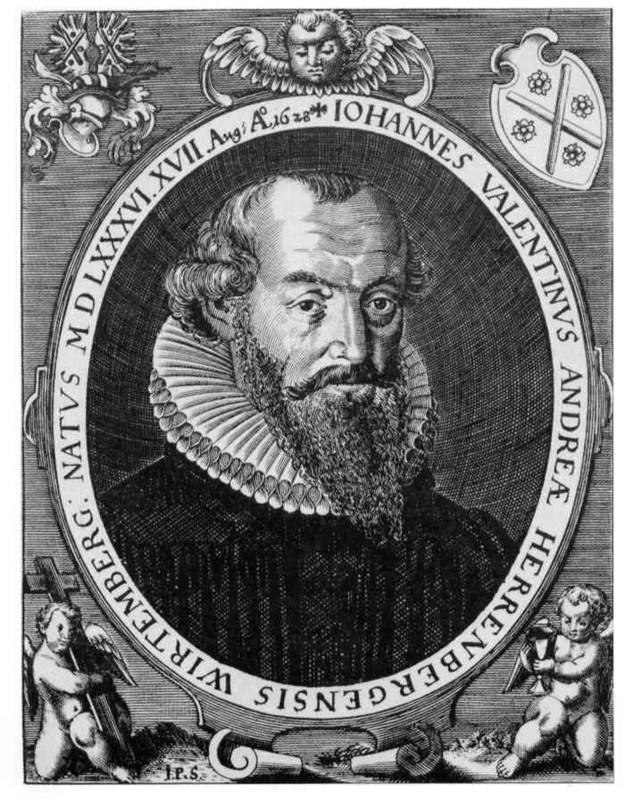
Andreae was a Württemberg Lutheran theologian and satirist. He is widely associated with The Chemical Wedding of Christian Rosenkreutz (1616), a baroque allegory of initiation and alchemy, and he moved in the same intellectual world as the anonymous Rosicrucian Fama and Confessio. How far he authored or only later commented on the Rosicrucian fiction remains debated; what is clear is that the manifestos and the Wedding shaped European esoteric imagination for centuries, inspiring societies that took the Rose Cross as a symbol.
The system
- Rosicrucian fiction as Christian–alchemical allegory, not a simple club handbook.
- Chemical Wedding: seven-day initiatory romance and reform utopia.
- Later Rose Cross societies re-read the 1610s texts for their own ends.
Key works
- The Chemical Wedding of Christian Rosenkreutz (1616; attribution debated) Amazon
- Turbo / other satires and utopian writings
ORDL은 아마존 어소시에이트로서 적격 구매에 대해 수수료를 받습니다. 도서 링크는 Amazon.com으로 열리며, 가격은 동일합니다.
Where to start
- A modern annotated translation of the Chemical Wedding
- Frances Yates, The Rosicrucian Enlightenment (classic, debated historiography)
Ask Orin
A question to start with. It opens in Orin ready to edit; nothing is sent until you press Send.
How should we read the Chemical Wedding—as satire, spiritual allegory, or both?Ask Orin this question