Note on controversy
Outsider ethnography of living religions can exoticise or misframe initiation. Read Deren beside Haitian voices; never use her book as a rite manual.
Life
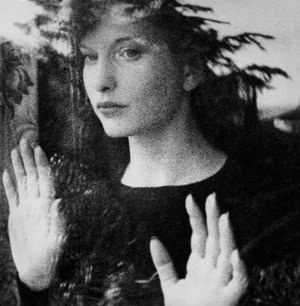
Maya Deren (1917–1961) was an experimental filmmaker whose unfinished Haitian footage and book Divine Horsemen: The Living Gods of Haiti became a widely cited—also debated—English-language portal to Vodou. She wrote as an artist–participant, not as a Haitian initiate teacher. ORDL files her under Vodou as ethnographic literature. This page does not offer initiation, possession coaching or rite tourism.
The system
- Participant observation framed through dance and cinema.
- Lwa and possession described as cultural fact in mid-century ethnography.
- ORDL boundary: film/book reception—no ritual instruction.
Key works
- Divine Horsemen: The Living Gods of Haiti Amazon
- Haitian footage / related essays
Como Asociado de Amazon, ORDL gana con las compras que cumplen los requisitos. Los enlaces abren Amazon.com; el precio para ti es el mismo.
Where to start
- Divine Horsemen with later critical essays on outsider ethnography
- Haitian and diaspora scholars on Vodou in their own words
Ask Orin
A question to start with. It opens in Orin ready to edit; nothing is sent until you press Send.
What does Deren’s artist–participant stance enable—and what does it obscure—about Haitian Vodou?Ask Orin this question